Help users stay secure through Black Friday and the holiday season


Subscribe to newsletter
Seasonal behaviour shifts create predictable user-driven risks. Black Friday, Cyber Monday, December shopping spikes, heavy inbox traffic and year-end admin all increase the likelihood of mistakes that attackers exploit. The content below helps you support users now and into Q1 with short, targeted learning and realistic simulations that reinforce safer behaviour.
Prepare users for Black Friday and Cyber Monday scams
Retail-themed scams surge from mid-November through January. Direct users to short training that covers:
- How to identify fake retail sites
- Spotting misleading offers
- Safe payment practices
Enrol users in the online shopping safety course
Seasonal phishing simulations to keep users alert
Users are more likely to click without thinking during high-volume inbox periods. Seasonal simulations help reinforce careful behaviour.
Current templates include:
- Black Friday and Cyber Monday promotions
- Holiday shopping scams
- PTO rejection and seasonal HR-style messages
- New Year promotional offers
- Christmas messages with matching landing pages
Run these simulations now to capture realistic responses during peak-risk periods.
Short training modules for common year-end risks
Quick, focused learning helps users stay alert while workloads increase. Relevant modules include:
- Gift card scam awareness
- SIM hijacking and MFA interception
- AI misuse and data exposure
- Deepfake risks in everyday workflows
These modules address high-risk patterns that appear frequently through the holiday period and early Q1.
🛡️ Black Friday & Cyber Monday Ready-to-Share Resources
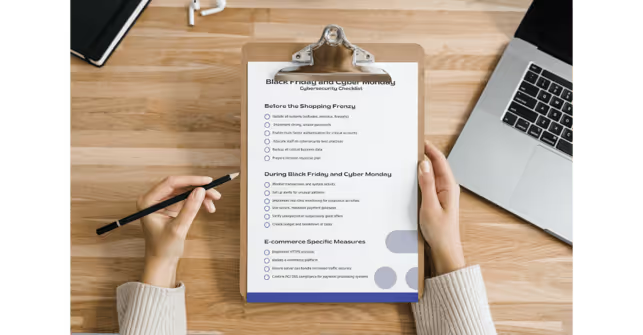
Black Friday and Cyber Monday resources for end users
The seasonal shopping window drives higher fraud attempts. Use the updated checklist to help users stay secure during the busiest retail days of the year. It covers:
- System and device updates
- Account security
- Transaction monitoring
- Safe browsing and website checks
You can also share pre-written blogs, emails and social copy that explain the most common scams and how to avoid them. These resources support clear, timely communication without extra prep.
👉 Download your Black Friday and Cyber Monday resources here.
BOOK A DEMO
See Human Risk Intelligence in action
A 30-minute walkthrough of how to cut human risk across your users, tailored to MSPs and IT teams.
Subscribe to newsletter

FAQs
La formation de sensibilisation à la sécurité apprend aux collaborateurs à reconnaître les cybermenaces et à y réagir, qu'il s'agisse de phishing, d'ingénierie sociale, de mauvaises pratiques en matière de mots de passe ou d'exposition de données. Les programmes efficaces associent des formations pertinentes à un renforcement et à des tests continus pour encourager des comportements plus sûrs au quotidien.
La formation de sensibilisation à la sécurité doit être continue plutôt que limitée à un seul cours annuel. Les organisations peuvent combiner formation à l'intégration, courtes leçons régulières, rappels thématiques et formations complémentaires lorsque des simulations de phishing ou des évaluations révèlent des lacunes.
uLearn d'usecure évalue les connaissances de chaque utilisateur en matière de sécurité et s'appuie sur Auto Enrol pour attribuer des formations en fonction des lacunes identifiées. La planification automatique des cours, les relances et le reporting permettent aux organisations de mener un programme continu avec moins d'administration manuelle.
Oui. usecure propose un essai gratuit de 14 jours de sa plateforme principale de Human Risk Management, qui couvre la formation de sensibilisation à la sécurité, les simulations de phishing, la gestion des politiques et la vérification de l'exposition des identifiants.
Related posts
Explore more insights, updates, and resources from usecure.

Phishing emails: Everything your business needs to know


See effortless human risk intelligence in action
Book a demo to see how usecure reduces human risk for IT teams and MSPs, or start a free trial to explore the platform yourself.

