Security awareness training examples and how to build an effective program

.avif)
Table of contents
Subscribe to newsletter
There are many ways to run security awareness training in your organisation. Choosing the right formats and content is essential for keeping employees engaged and helping them remember and apply what they learn in their daily work.
This article shares practical examples of security awareness training and shows how to combine them into an effective program for your organisation.
The examples covered include
- Video based security awareness training
- Interactive security awareness training
- Phishing simulation based training
- How to build the optimal training program
Example 1 video based security awareness training
Video is a powerful medium for security awareness training. Employees usually find video more engaging than long lectures or static slide shows, especially when content is designed to be enjoyable as well as informative.
At usecure, animated training videos are created in house and built around everyday scenarios that employees recognise. A recurring cast of characters and a light, humorous tone helps bring topics to life. When training feels entertaining instead of dry, users are more likely to look forward to sessions and remember key security behaviours.
Example 2 interactive security awareness training
Interactive content requires active participation, which makes it harder for employees to skim or skip over important information. Instead of passively reading text, users must click, select, and think about the material in order to progress.
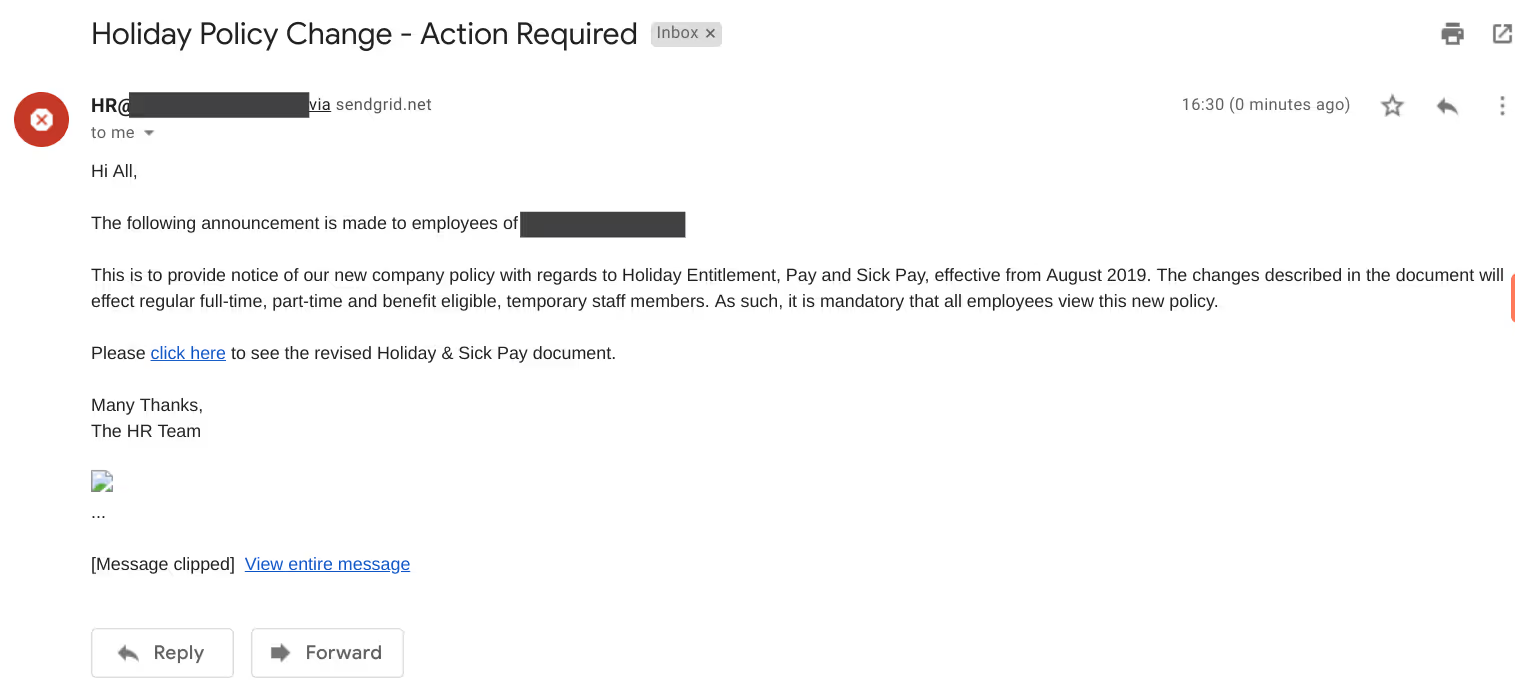
One example is an interactive slide that presents a realistic phishing email and asks employees to identify suspicious elements. By examining an example that looks like something they might see in their inbox, users learn to spot red flags they can apply in real situations. This builds practical skills rather than simple recognition of theory.
Example 3 security awareness training with phishing simulations
Phishing simulations take interactivity one step further by placing training directly in the real work environment. After users have learned about the signs of phishing in normal courses, simulations test how they respond when a realistic message lands in their inbox.
When employees realise they clicked on a simulated phishing email, it can be a powerful lesson that shows how easy it is to fall for a convincing scam. Combined with clear feedback and follow up training, simulations help reinforce secure behaviour and highlight where additional support is needed.
What is the best type of security awareness training
The most effective security awareness programs blend several types of content rather than relying on a single format. Combining video, interactive exercises and phishing simulations delivers better engagement and more meaningful behaviour change.
A strong program will also
- Break content into short, focused modules
- Spread training across the year instead of a single long session
- Reinforce key concepts regularly so they are not forgotten
- Relate scenarios to real work situations employees recognise
Short, recurring modules keep security at the top of employees minds without overwhelming them. This approach supports lasting change rather than a brief spike in awareness that quickly fades.
Get started with a one stop security awareness training program
The best security awareness training combines engaging video content, interactive exercises and automated phishing simulations in a single, easy to manage platform.
usecure provides a complete solution for addressing human error across your organisation. Automated training identifies individual weak points and builds personalised learning paths for each user. Auto Phish allows you to run realistic phishing simulations in minutes and track improvements over time.
BOOK A DEMO
See Human Risk Intelligence in action
A 30-minute walkthrough of how to cut human risk across your users, tailored to MSPs and IT teams.
Subscribe to newsletter

Découvrez comment les cabinets de services professionnels réduisent le risque humain avec usecure
Découvrez comment les équipes IT des services professionnels utilisent usecure pour protéger les données sensibles de leurs clients, maintenir leur conformité et préserver leur réputation — sans perturber le travail facturable.
Related posts
Explore more insights, updates, and resources from usecure.

Phishing Simulations MSPs Can Deploy Today

%20(1)-1.avif)