Cybersecurity Awareness Month 2025: Why Human Risk Still Matters

Subscribe to newsletter
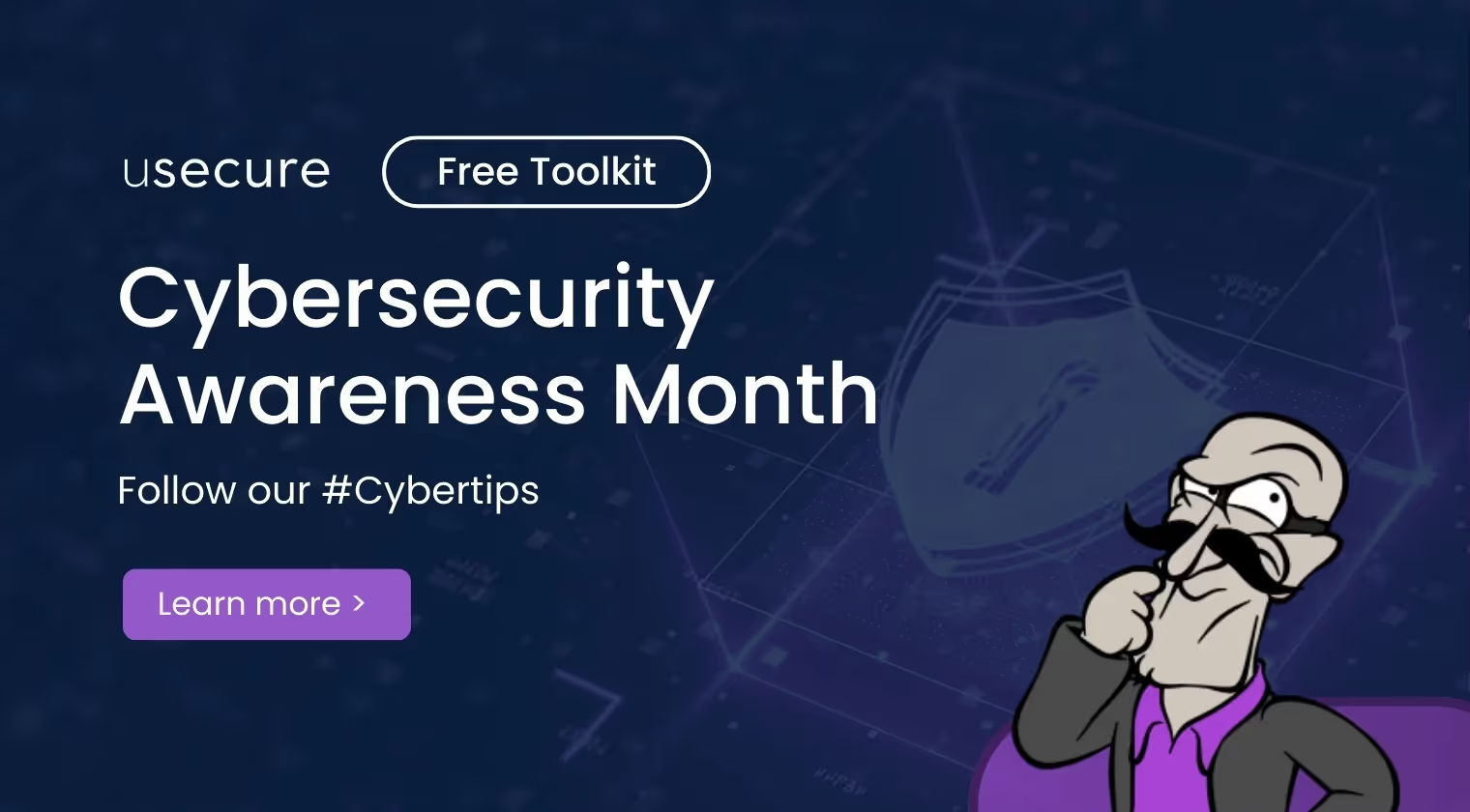
Every October, Cybersecurity Awareness Month (CSAM) puts a spotlight on the role people play in keeping businesses, families, and communities safe. This year’s theme — Stay Safe Online — might sound simple, but in today’s threat landscape, it’s anything but.
Cybercrime is no longer background noise. It’s one of the fastest-growing industries in the world, projected to cost organisations more than $10.5 trillion annually by 2025 (Cybersecurity Ventures). From AI-powered phishing emails to deepfake scams, today’s attacks are faster, more convincing, and harder to detect than ever. And in nearly 95% of incidents, human error is the root cause (Verizon DBIR).
The Human Risk Landscape in 2025
- AI as a weapon: Generative AI has made phishing, voice cloning, and fake websites nearly indistinguishable from the real thing.
- Work without borders: Hybrid work and cloud-first tools mean personal and professional data are constantly on the move — and often exposed.
- Compliance pressure: Laws like NIS2, DORA, CCPA, and evolving global privacy regulations are raising the stakes for organisations of all sizes.
- Small steps, big impact: Most breaches don’t start with zero-day exploits. They start with a misplaced click, a reused password, or an overlooked update.
Why CSAM Still Matters
Some leaders dismiss annual awareness campaigns as surface-level. But research shows otherwise: organisations that commit to ongoing awareness and behaviour change report up to an 80% reduction in phishing susceptibility.
CSAM provides a focal point — a chance to:
- Refresh training and reinforce key lessons.
- Re-engage staff who may have become complacent.
- Show leadership and regulators that you’re serious about managing human cyber risk.
It’s not a checkbox. It’s a catalyst.
Your Free CSAM 2025 Resource Kit
To help businesses and partners take action this October, we’ve put together a free Cybersecurity Awareness Calendar and resource kit that includes:
- 🎥 Training videos — including Rob’s Deepfake Disaster and Josie & Rob’s Quishing Conundrum.
- 📄 Whitepapers on reducing human cyber risk (available in EN, FR, DE, ES).
- 📣 MSP playbooks, email templates, and weekly social posts to power client campaigns.
- 🖼️ Posters, infographics, and desktop reminders to keep security top of mind.
👉 Sign up to explore the full CSAM 2025 Resource Hub here
The reality is this: attackers don’t wait for October, and they don’t stop at your firewalls. They target people — your staff, your partners, even your customers. That’s why security awareness isn’t just a campaign. It’s a culture.
CSAM 2025 is your chance to build that culture — and reduce human risk where it matters most.
👉 Download your free CSAM 2025 Resource Kit and start turning awareness into measurable risk reduction.
BOOK A DEMO
See Human Risk Intelligence in action
A 30-minute walkthrough of how to cut human risk across your users, tailored to MSPs and IT teams.
Subscribe to newsletter

FAQs
La formation de sensibilisation à la sécurité apprend aux collaborateurs à reconnaître les cybermenaces et à y réagir, qu'il s'agisse de phishing, d'ingénierie sociale, de mauvaises pratiques en matière de mots de passe ou d'exposition de données. Les programmes efficaces associent des formations pertinentes à un renforcement et à des tests continus pour encourager des comportements plus sûrs au quotidien.
La formation de sensibilisation à la sécurité doit être continue plutôt que limitée à un seul cours annuel. Les organisations peuvent combiner formation à l'intégration, courtes leçons régulières, rappels thématiques et formations complémentaires lorsque des simulations de phishing ou des évaluations révèlent des lacunes.
uLearn d'usecure évalue les connaissances de chaque utilisateur en matière de sécurité et s'appuie sur Auto Enrol pour attribuer des formations en fonction des lacunes identifiées. La planification automatique des cours, les relances et le reporting permettent aux organisations de mener un programme continu avec moins d'administration manuelle.
Oui. usecure propose un essai gratuit de 14 jours de sa plateforme principale de Human Risk Management, qui couvre la formation de sensibilisation à la sécurité, les simulations de phishing, la gestion des politiques et la vérification de l'exposition des identifiants.
Related posts
Explore more insights, updates, and resources from usecure.

The Market Trends MSPs Can’t Afford to Ignore in 2025


See effortless human risk intelligence in action
Book a demo to see how usecure reduces human risk for IT teams and MSPs, or start a free trial to explore the platform yourself.

